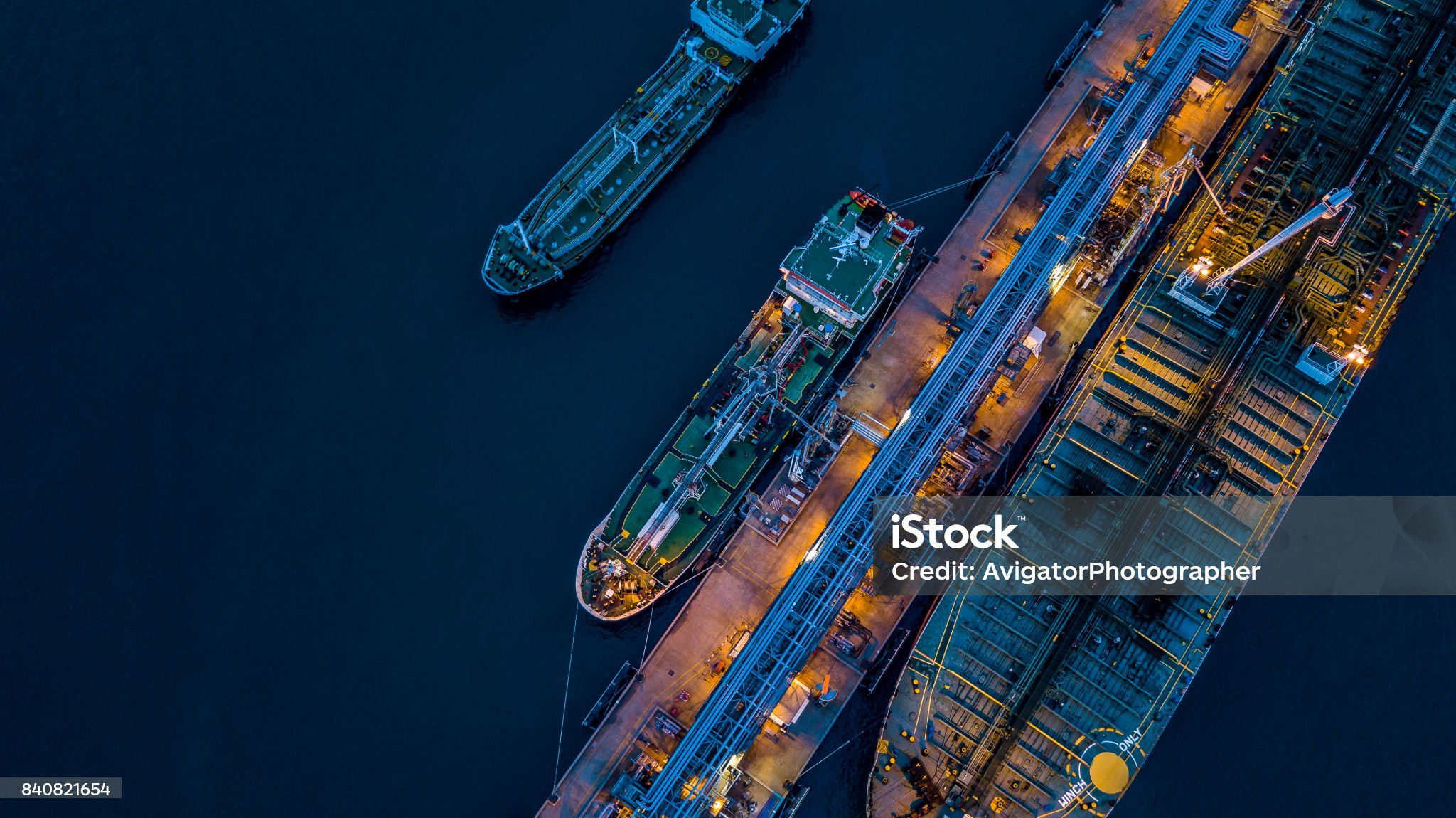
The importance of understanding the relationship between land and sea
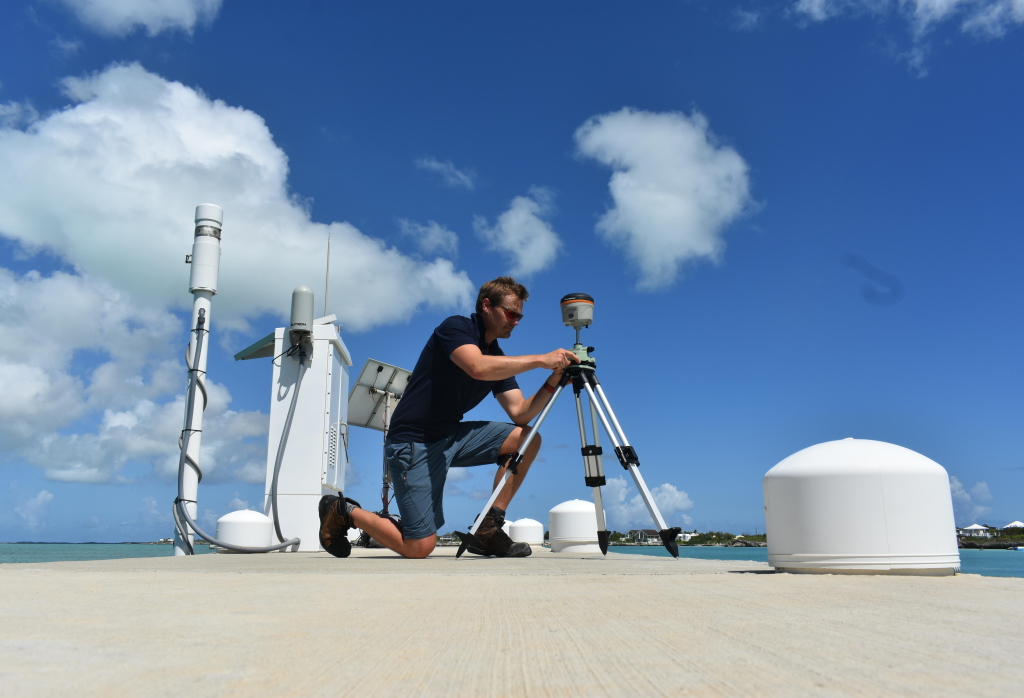
Many tide gauges have been established in their current location for several years, some even for centuries! However, their exact location within the three dimensions X, Y and Z or Latitude, Longitude and Orthometric Height, is not always as accurately known as it should be.
With vessel sizes constantly increasing and pressures on knowing exactly how much water there is under the keel, as well as the threat of sea level rise on the UK coastline and storm intensities and frequencies increasing with impacts on the severity on tidal surges and coastal inundation, it is paramount that precise and accurate tidal and water level measurements are observed. This is not only important for real-time operations, but accurate tidal measurements are also essential for improving tidal predictions.
To ensure the accurate measurement of water levels at a specific location we need to establish the precise height of the tide gauge relative a known datum, historically in the UK this is Ordnance Survey Datum Newlyn (ODN). Traditionally this would involve optical levelling of the tide gauge to a known benchmark established in solid rock or on buildings, ideally close to the site. Although benchmarks are established in structures which you don’t typically consider would move, they can be subject to vertical land movement due to slipping of subsiding of the land or structure and thus altering the benchmark’s vertical height. Benchmarks therefore require routine observations to account for any changes in height, however many are not routinely resurveyed to confirm their height. It is also a common occurrence that benchmarks are disturbed by human activity such as removal of structures or new structures being built over them making them inaccessible. Therefore, publicly accessible benchmarks across the UK and their reliability, are diminishing.
So, what is the alternative?
Rather than relying on a previously establish benchmark, advanced geodetic technology such as Global Navigation Satellite System (GNSS) positioning sensors can be used to measure the position of a tide gauge relative to the Earth’s centre. This is where OceanWise can help you. Whether you are installing a tide gauge at a new location, replacing an old tide gauge, or have an established tide gauge which interfaces with your Port-Log platform, OceanWise can assist you by determining exactly where your tide gauge is through a geodetic levelling survey using GNSS technology.
Our team uses GNSS technology to survey either the exact location of your tide gauge if this is possible, or as is often the case, a nearby location height is surveyed and then transferred through optical levelling to the tide gauge. We can establish your own tide gauge benchmark for future surveys or if required, re-survey an existing tide gauge benchmark so that you know exactly where your tide gauge(s) is/are.
How will this benefit you?
As an OceanWise customer we can work with you to determine your GNSS survey requirements and priorities.
The key benefits of tide gauge GNSS surveying are:
- Improved accuracy in tidal observations
- Increased confidence in real-time measurements
- Reliable long-term tidal records for sea-level rise analysis
- You will know exactly where your tide gauge is!